
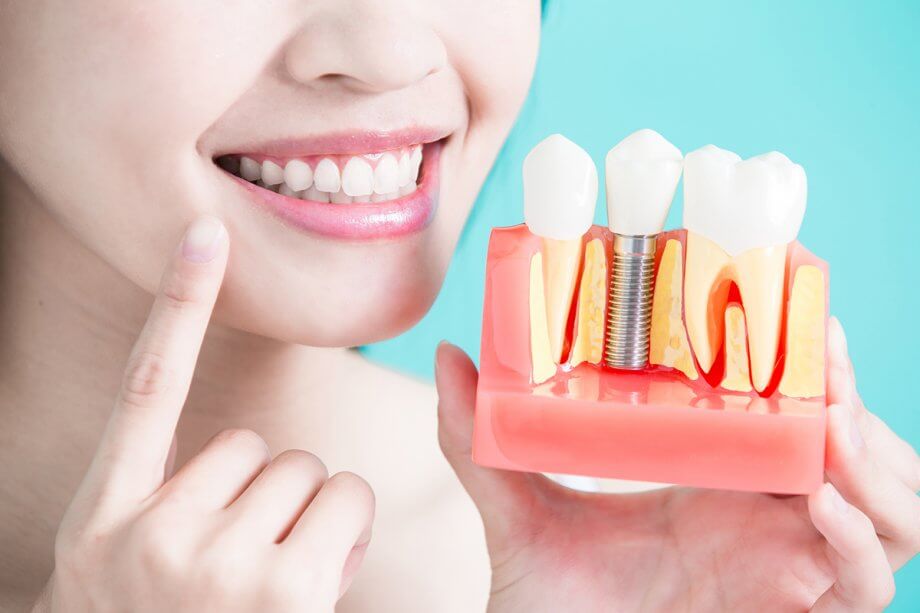
Are you curious about the different types of full mouth dental implants and how they can transform your smile? Understanding the process and available options can help you grasp the potential benefits and considerations, providing a clearer picture of what might suit your dental needs.
Types of Full Mouth Dental Implants
Full mouth dental implants are a transformative solution for individuals seeking to restore their entire set of teeth. These implants provide a stable and durable foundation for artificial teeth, closely mimicking the function and appearance of natural teeth. By anchoring prosthetic teeth securely into the jawbone, these implants help maintain bone density and facial structure, which can be compromised by tooth loss. Each type is designed to address specific needs, offering a tailored approach to dental rehabilitation.
Benefits of Dental Implants
Dental implants offer numerous benefits, including:
- Natural Look and Function: They mimic natural teeth, providing a seamless and comfortable fit.
- Enhanced Oral Health: Implants maintain bone density, preventing deterioration associated with tooth loss.
- Durability and Longevity: With proper care, implants can last for many years, reducing the need for frequent replacements.
- Improved Confidence: Their stability ensures better chewing efficiency, clearer speech, and enhanced social interactions.
Implant Procedure Steps
The process of full mouth dental implants involves several key steps:
- Evaluation: A comprehensive assessment of oral health and bone structure.
- Surgical Placement: Implants are placed into the jawbone to serve as sturdy anchors.
- Osseointegration: Implants integrate with the bone during a healing period.
- Final Restoration: Custom prosthetic teeth are secured, restoring aesthetics and functionality.
Types of Implant Materials
Dental implants are made from biocompatible materials, such as:
- Titanium: Known for its strength, longevity, and biocompatibility with human tissue.
- Zirconia: A metal-free alternative.
Each material caters to specific needs and preferences, ensuring durability and integration with the jawbone.
Comparing Implant Techniques
Different techniques for full mouth dental implants include:
- Bone Preservation: Utilizing existing bone for optimal placement.
- Bone Grafting: Enhancing support for implants when bone density is insufficient.
The choice of technique depends on oral health and anatomical factors, ensuring personalized care.
Implant Longevity and Durability
Full mouth dental implants are a long-term solution designed to withstand the daily pressures of chewing and speaking. Proper care ensures their durability, making them a reliable option for those seeking permanent tooth replacement.
Cost Factors of Implants
The cost of full mouth dental implants varies based on:
- Procedure complexity.
- Materials used.
- Geographic location.
- Dental professional’s expertise.
The long-term benefits of chewing function, maintaining jaw bone, and preserving a smile are part of the investment in full mouth dental implants.
Recovery Process After Implants
The recovery period involves:
- Common Symptoms: Swelling, discomfort, and minor bleeding.
- Healing Time: Gradual integration of implants with the jawbone.
- Post-Care Instructions: Following dental guidance ensures smooth recovery.
Healing times vary based on individual health and the complexity of the case.
Common Implant Myths Debunked
Common myths about full mouth dental implants include:
- All Implants Are the Same: There are various types tailored to individual needs.
- Only for Older Individuals: Implants can benefit adults of different ages.
- Excessive Pain: Modern advancements have minimized discomfort during the procedure.
Understanding these myths helps individuals make informed decisions.
Conclusion
Understanding the different types of full mouth dental implants can guide you in making informed decisions about your dental health. For more information, call 407-366-3799 or read our reviews on Google Maps.