
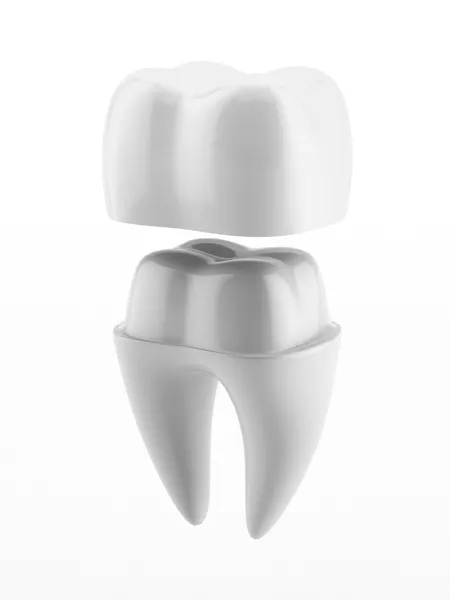
Dental Crown for Broken Tooth: Understanding Dental Crowns
A dental crown for a broken tooth is one of the most effective restorative treatments for regaining both the function and appearance of a damaged tooth. These custom-made caps are designed to fit securely over the remaining tooth structure, providing strength, durability, and a natural look. Because crowns mimic the shape and color of your existing teeth, they blend seamlessly into your smile while protecting the tooth from further damage.
Dental crowns can be crafted from several materials, each offering unique benefits. They serve as a reliable way to preserve compromised teeth, preventing additional wear or decay. To explore more about the advantages of different crown materials, visit Ceramic Dental Crown Benefits: A Natural-Looking Solution.
Types of Dental Crowns
Dental crowns come in various types to meet different needs and aesthetic preferences.
-
Porcelain crowns provide a natural appearance, making them ideal for visible teeth.
-
Metal crowns, including gold or alloy options, are valued for exceptional strength—perfect for molars that handle heavy chewing.
-
Porcelain-fused-to-metal crowns combine the beauty of porcelain with the durability of metal, offering a strong yet natural-looking restoration.
-
Ceramic crowns mimic the translucency of natural enamel, making them a popular choice for front teeth.
-
Resin crowns are more affordable but less durable, often used as temporary restorations.
Each crown type offers specific advantages depending on placement, strength requirements, and personal preferences. For expert guidance, visit the Oviedo Dental Crown Experts.
Benefits of Dental Crowns
A dental crown for a broken tooth restores strength, function, and aesthetics all at once. It allows the damaged tooth to withstand normal biting and chewing while enhancing the smile’s appearance. Crowns also seal the tooth to prevent future decay or fractures, providing long-term comfort and durability. Because each crown is custom-designed, the end result looks and feels completely natural.
Dental Crown Procedure Overview
The process of placing a dental crown for a broken tooth typically involves reshaping the damaged tooth, taking an impression, and fitting a custom-made cap. The dentist first removes any decay and prepares the tooth for a precise fit. After impressions are taken, the crown is fabricated to match the surrounding teeth in color and size. Once ready, it’s securely cemented in place, restoring full function and appearance. For quality restorative care, visit Oviedo Family & Cosmetic Dentistry or learn more on their Oviedo Dentist page.
Materials Used in Crowns
Dental crowns can be made from a variety of materials depending on aesthetic goals and functional needs.
-
Porcelain offers a lifelike appearance and is ideal for front teeth.
-
Metal alloys provide unmatched durability.
-
Porcelain-fused-to-metal crowns combine strength and aesthetics.
-
All-ceramic or resin options serve as versatile choices for patients seeking a metal-free solution.
The right material enhances both the look and longevity of a dental crown for a broken tooth, ensuring optimal performance and comfort.
Lifespan of Dental Crowns
With proper oral care, a dental crown for a broken tooth can last anywhere from 5 to 15 years or even longer. Factors such as crown material, bite pressure, and dental hygiene habits influence its longevity. Regular dental visits help monitor the crown’s condition and ensure lasting protection and beauty.
Caring for Your Dental Crown
To extend the life of your dental crown for a broken tooth, maintain consistent oral hygiene by brushing and flossing daily. Avoid chewing hard foods or ice that can damage the crown. Routine dental check-ups are essential to ensure the crown stays properly fitted and continues to protect the underlying tooth. A mindful approach to dental care preserves both the functionality and aesthetics of your restoration.
Common Issues with Crowns
While dental crowns are durable, occasional issues can occur. Crowns may loosen or fall off due to wear, adhesive failure, or biting on hard foods. The underlying tooth can still develop decay if oral hygiene is neglected. Some patients experience mild sensitivity to temperature changes, especially shortly after placement. In rare cases, allergic reactions to materials can occur. Being aware of these possibilities ensures timely dental care and proper maintenance.
Comparing Crowns to Other Solutions
Compared to other restorative treatments, a dental crown for a broken tooth offers superior protection and longevity. Fillings and bonding are suitable for minor repairs, while crowns provide full coverage for significant damage. Veneers mainly improve aesthetics but lack the strength of crowns. Dentures and bridges replace missing teeth, not repair damaged ones. A crown is often the most comprehensive solution for restoring both structure and appearance.
Conclusion
If you’re looking to restore the strength, function, and beauty of a broken tooth, a dental crown is a reliable solution. Call 407-366-3799 today or check out our Google Maps reviews to learn more.