
Dental Crown vs Dental Bridge
Understanding Dental Crowns
Dental crowns are a common solution in restorative dentistry, often considered when discussing dental crown vs dental bridge options. A dental crown is essentially a cap that is placed over a damaged or decayed tooth to restore its shape, size, and function. Crowns are typically made from materials like porcelain, ceramic, or metal, and are designed to blend seamlessly with your natural teeth. They are used to protect weakened teeth, cover dental implants, or improve the appearance of a tooth.
When comparing dental crown vs dental bridge, it’s important to understand that crowns are typically used for individual teeth, whereas bridges are used to replace one or more missing teeth. Crowns can provide long-lasting protection and are custom-made to fit comfortably in your mouth. For more information on how to care for your crowns and ensure their longevity, check out our guide on Dental Crown Maintenance Tips: Keeping Your Smile Strong.
Understanding Dental Bridges
Dental bridges are a common solution for individuals who have missing teeth and are considering their options in the dental crown vs dental bridge debate. A dental bridge typically consists of two or more crowns for the teeth on either side of the gap, with a false tooth or teeth in between. These supporting teeth, known as abutment teeth, help anchor the bridge in place, providing a stable and functional replacement for missing teeth. This option is often chosen to restore the natural appearance and function of the mouth, allowing for improved chewing and speaking abilities.
When comparing dental crown vs dental bridge, it’s important to understand that bridges are specifically designed to address gaps left by missing teeth. They can be made from various materials, including porcelain, metal, or a combination of both, to match the natural color of your teeth. While both crowns and bridges serve to enhance dental health and aesthetics, the choice between them depends on individual needs and the specific dental situation. For more information on dental crowns, you can explore Oviedo’s Best Dental Crown Solutions.
Purpose of Dental Crowns
Dental crowns serve as a protective cap placed over a damaged or weakened tooth to restore its shape, size, and function. In the discussion of dental crown vs dental bridge, crowns are typically used to cover a tooth that has undergone significant decay or has been broken, providing strength and improving its appearance. They are also utilized after root canal treatments to protect the treated tooth. By encasing the entire visible portion of a tooth, dental crowns help maintain oral health and ensure the longevity of the natural tooth structure.
Purpose of Dental Bridges
Dental bridges serve as a restorative solution designed to fill the gap left by one or more missing teeth, effectively restoring both function and appearance. By anchoring artificial teeth to adjacent natural teeth or implants, dental bridges help maintain the alignment of your remaining teeth, prevent shifting, and support proper bite function. When considering dental crown vs dental bridge options, understanding the purpose of each can guide you in making an informed decision about your oral health needs. For more information on dental solutions, visit Oviedo Family & Cosmetic Dentistry at Oviedo Dentist.
Materials Used in Crowns
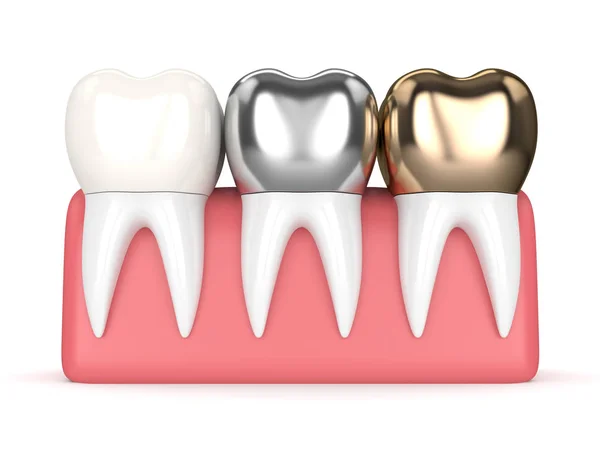
Dental crowns are crafted from a variety of materials, each offering unique benefits and characteristics. Common materials include porcelain, which is favored for its natural appearance and ability to blend seamlessly with existing teeth. Metal alloys, such as gold or platinum, are known for their durability and strength, making them ideal for molars that endure significant chewing pressure. Porcelain-fused-to-metal crowns combine the aesthetic appeal of porcelain with the robustness of metal. Additionally, all-ceramic or all-porcelain crowns provide a metal-free option that is particularly suitable for those with metal sensitivities. Each material choice can influence the crown’s longevity, appearance, and suitability for different dental needs.
Materials Used in Bridges
When considering the dental crown vs dental bridge debate, understanding the materials used in bridges is essential. Dental bridges are typically crafted from a variety of materials, each offering unique benefits. Common materials include porcelain, ceramic, metal alloys, and sometimes a combination of these. Porcelain and ceramic are often chosen for their natural appearance, closely mimicking the look of real teeth. Metal alloys, on the other hand, provide strength and durability, making them a popular choice for bridges placed in the back of the mouth where chewing forces are greater. The choice of material can influence the bridge’s longevity, appearance, and cost, playing a crucial role in the decision-making process between a dental crown vs dental bridge.
Longevity of Crowns
When considering the dental crown vs dental bridge debate, understanding the longevity of crowns is crucial. Dental crowns are known for their durability and can last many years with proper care. Made from materials like porcelain, metal, or ceramic, crowns are designed to withstand the daily pressures of chewing and biting. While the lifespan of a dental crown can vary based on factors such as oral hygiene and lifestyle habits, they generally offer a long-term solution for restoring damaged teeth. This longevity makes them a popular choice for those weighing the options between a dental crown vs dental bridge.
Longevity of Bridges
When considering dental crown vs dental bridge, it’s important to understand the longevity of each option. Dental bridges are designed to last for many years, typically ranging from 5 to 15 years or more, depending on factors such as oral hygiene and the materials used. While both dental crowns and bridges serve to restore functionality and aesthetics, the durability of a dental bridge can be influenced by the health of the surrounding teeth and gums, as well as regular dental check-ups.
Cost Comparison: Crowns vs Bridges
When considering the financial aspect of dental crown vs dental bridge, it’s important to note that costs can vary significantly based on several factors, including materials used and the complexity of the procedure. Generally, a dental crown may be less expensive per tooth compared to a dental bridge, which typically involves multiple teeth and additional work. However, the overall cost-effectiveness of a dental crown vs dental bridge will depend on individual dental needs and the specific circumstances of each case.
Conclusion
Deciding between a dental crown vs dental bridge can be challenging, but understanding your options is the first step. For more information or to discuss your needs, call us at 407-366-3799 or check out our Google reviews.