
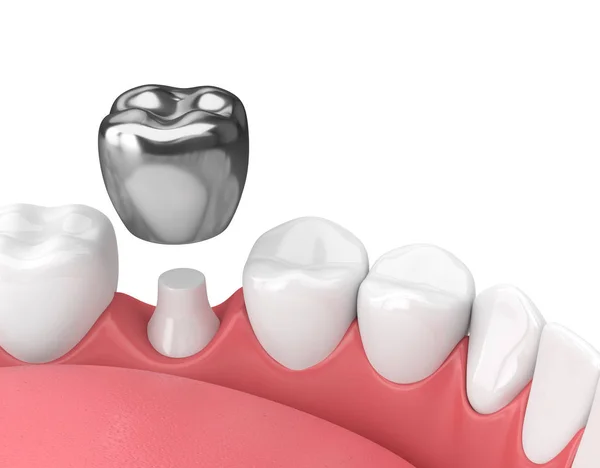
Dental Crown Maintenance Tips
Understanding Dental Crown Lifespan
Dental crown maintenance tips are essential for ensuring the longevity of your dental restorations. The lifespan of a dental crown can vary based on several factors, including the material used and the individual’s oral hygiene practices. Typically, dental crowns can last anywhere from 5 to 15 years, but with proper care, they may endure even longer. Regular dental check-ups and maintaining good oral health are crucial in preserving the integrity of your crowns.
It’s important to be aware that while dental crowns are durable, they are not indestructible. Factors such as grinding teeth, consuming hard foods, or neglecting oral hygiene can impact their lifespan. Understanding these aspects can help you make informed decisions about your oral health. For more information on caring for temporary crowns, you can visit our page on Temporary Dental Crown Care: What Patients Should Know.
Recognizing Crown Wear and Tear
Understanding the signs of wear and tear on your dental crowns is crucial for maintaining a healthy smile. Over time, crowns can become damaged due to various factors such as biting hard objects or natural wear. Common indicators of crown deterioration include visible cracks, chips, or a change in the fit of the crown. If you notice any discomfort or sensitivity around the crowned tooth, it may be a sign that the crown is not functioning as it should. Regular check-ups can help in identifying these issues early, ensuring that your dental crown maintenance tips are effectively followed.
Being aware of these signs can prevent further complications and maintain the integrity of your dental work. It’s important to address any concerns with a professional to ensure your crowns continue to protect your teeth effectively. For more information on maintaining your crowns and ensuring their longevity, visit our page on Affordable Dental Crowns in Oviedo.
Importance of Regular Dental Checkups
Regular dental checkups play a crucial role in dental crown maintenance tips, ensuring that your crowns remain in optimal condition and your smile stays strong. These checkups allow dental professionals to monitor the health of your crowns and surrounding teeth, identifying any potential issues early on. By maintaining a consistent schedule of dental visits, you can help prevent complications that may arise from unnoticed wear or damage to your crowns, ultimately supporting the longevity and effectiveness of your dental restorations.
Identifying Common Crown Issues
Understanding potential problems with dental crowns is crucial for effective dental crown maintenance tips. Common issues include sensitivity, discomfort, or visible damage such as chips or cracks. These problems can arise from various factors, including wear and tear or improper fit. Regular check-ups can help in identifying these issues early, ensuring your dental health remains optimal. For more information on maintaining your dental crowns, visit Oviedo Family & Cosmetic Dentistry at Oviedo Dentist.
Dietary Considerations for Crown Care
When it comes to dental crown maintenance tips, being mindful of your diet plays a crucial role in preserving the integrity of your crowns. Certain foods and beverages can impact the longevity and appearance of dental crowns. While enjoying a balanced diet, it’s important to be aware of how different dietary choices might affect your dental health. By understanding the relationship between what you consume and the condition of your crowns, you can help maintain a strong and healthy smile.
Oral Hygiene Practices for Crowns
Maintaining optimal oral hygiene is crucial for the longevity of dental crowns. Regular brushing and flossing are essential components of dental crown maintenance tips, ensuring that the area around the crown remains free from plaque and bacteria. Consistent oral care helps in preventing gum disease and decay, which can compromise the integrity of the crown. By incorporating these practices into your daily routine, you can support the health of your natural teeth and crowns alike, contributing to a strong and lasting smile.
Managing Sensitivity with Dental Crowns
Sensitivity can be a common experience for individuals with dental crowns, often occurring when consuming hot or cold foods and beverages. Understanding the potential causes of this sensitivity is an essential aspect of dental crown maintenance tips. It may arise from the crown’s fit, the condition of the underlying tooth, or even the surrounding gum tissue. While sensitivity can be uncomfortable, it is typically manageable and may decrease over time as your mouth adjusts to the crown. Regular check-ups can help monitor any changes and ensure that your dental crowns continue to support a strong and healthy smile.
Avoiding Harmful Habits for Crowns
Incorporating dental crown maintenance tips into your routine is essential for preserving the longevity of your crowns. It’s important to be mindful of habits that could potentially damage your dental crowns. Actions such as grinding teeth, chewing on hard objects, or using teeth as tools can exert undue pressure on crowns, leading to cracks or dislodgement. By being aware of these habits, you can help ensure that your dental crowns remain in optimal condition, contributing to a strong and healthy smile.
Recognizing Signs of Crown Damage
Incorporating dental crown maintenance tips into your routine is essential for ensuring the longevity of your dental work. Recognizing signs of crown damage early can prevent further complications and maintain your smile’s integrity. Be aware of any unusual sensations, such as discomfort or sensitivity, which may indicate underlying issues. Visible changes, like chips or cracks, can also signal potential problems with your crown. Regularly observing these signs can help you stay informed about the condition of your dental crowns.
Conclusion
For more information on dental crown maintenance tips, call us at 407-366-3799 or check out our Google Maps reviews.