
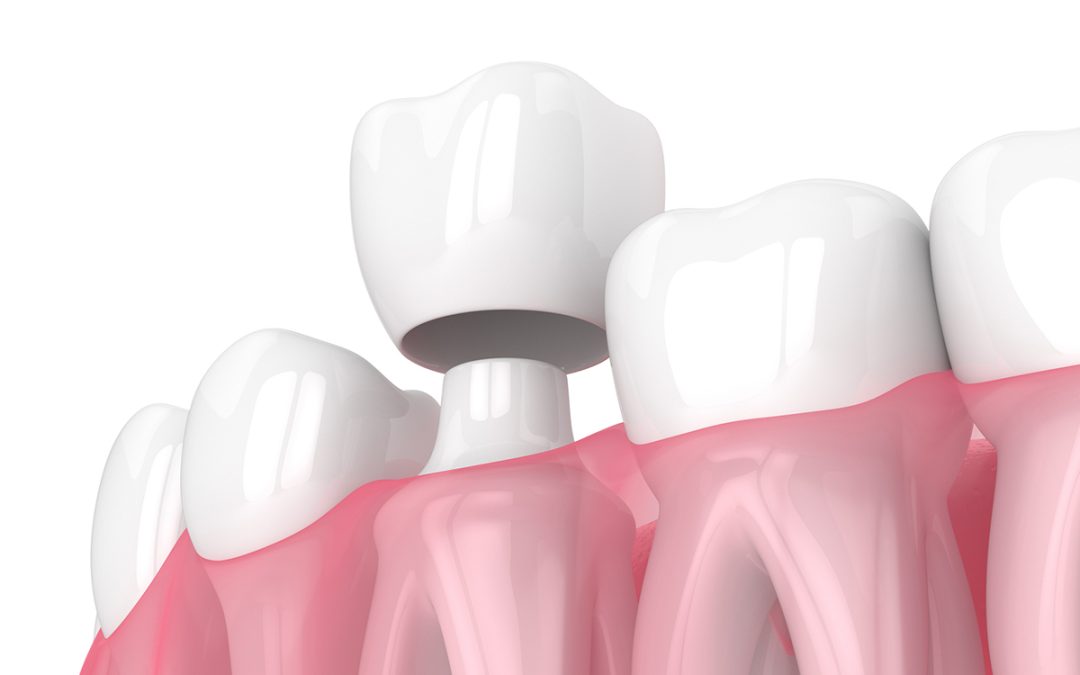
Dental health plays a major role in your overall well-being, and restorative treatments are often essential to maintain a strong, functional smile. One of the most common and effective solutions used in modern dentistry is dental crowns. If you have been told you may need one, you might be wondering what dental crowns are, how they work, and when they are truly necessary.
Dental crowns are designed to restore damaged or weakened teeth while improving both appearance and function. Understanding when they are recommended can help you make confident decisions about your oral health and long-term care.
What Are Dental Crowns and How Do They Work?
Dental crowns are custom-made caps that are placed over a damaged or compromised tooth. They are designed to fully cover the visible portion of the tooth above the gum line, restoring its shape, size, strength, and appearance. Crowns are typically made from materials such as porcelain, ceramic, metal, or a combination of materials, depending on the patient’s needs and preferences.
The process of getting dental crowns usually involves preparing the affected tooth by removing any decay or damaged structure. Once the tooth is shaped, impressions are taken to create a crown that fits precisely. A temporary crown may be placed while the permanent one is fabricated. Once ready, the final crown is bonded securely in place, providing long-lasting protection.
Dental crowns are known for their durability and natural look, making them a reliable option for both restorative and cosmetic purposes. They blend seamlessly with surrounding teeth, allowing patients to maintain a natural smile while protecting their oral health.
When Are Dental Crowns Necessary?
There are several situations where dental crowns may be recommended. They are often used when a tooth cannot be restored with a simple filling or when additional support is needed to prevent further damage.
One common reason for dental crowns is severe tooth decay. When a cavity becomes too large, a filling may not provide enough strength to hold the tooth together. A crown reinforces the tooth and prevents it from breaking.
Dental crowns are also frequently used after root canal therapy. A tooth that has undergone a root canal can become more brittle over time. Placing a crown helps protect the tooth from fractures and restores its function.
Another situation where dental crowns are necessary is when a tooth is cracked, chipped, or worn down. Whether caused by injury, grinding, or general wear, these issues can weaken the tooth structure. A crown provides a protective barrier and restores the tooth’s original form.
Additionally, dental crowns are used to support dental bridges or cover dental implants. In these cases, they play an important role in replacing missing teeth and maintaining proper alignment within the mouth.
If you are considering restorative options, learning more about dental crowns and how they are used can help you better understand your treatment plan.
Benefits of Choosing Dental Crowns
Dental crowns offer several advantages that make them a popular choice for patients seeking long-term solutions. One of the primary benefits is their ability to restore both function and aesthetics. Patients can chew, speak, and smile with confidence once their crown is in place.
Another key benefit is durability. With proper care, dental crowns can last many years. They are designed to withstand daily wear and tear, making them a reliable option for restoring teeth that experience significant pressure.
Dental crowns also help prevent further damage. By covering and protecting a compromised tooth, they reduce the risk of fractures, decay progression, or additional complications that could lead to more extensive treatments.
From a cosmetic standpoint, crowns can improve the appearance of discolored, misshapen, or uneven teeth. This makes them a versatile option for patients who want to enhance their smile while addressing underlying dental concerns.
What to Expect During the Dental Crown Process
Understanding the process can help ease any concerns about receiving dental crowns. Typically, the procedure is completed in two visits.
During the first appointment, your dentist will examine the tooth and prepare it for the crown. This includes removing any decay and shaping the tooth to ensure a proper fit. Impressions are then taken to create a custom crown that matches your bite and surrounding teeth.
A temporary crown is placed to protect the tooth while the permanent one is being made. This temporary restoration allows you to maintain normal function in the meantime.
At the second visit, the temporary crown is removed, and the permanent crown is carefully fitted and adjusted. Once the fit is confirmed, it is bonded securely in place. Your dentist will check your bite and make any necessary refinements to ensure comfort.
After the procedure, patients can return to their normal routine quickly. Maintaining good oral hygiene and attending regular dental checkups will help extend the life of your crown.
Protecting Your Smile with the Right Restoration
Dental crowns are a trusted solution for restoring damaged teeth and preserving long-term oral health. Whether you are dealing with decay, fractures, or the need for additional support after a procedure, crowns provide strength, protection, and a natural appearance.
Choosing the right treatment depends on your specific needs, and working with an experienced dental team ensures you receive personalized care. If you have concerns about a damaged tooth or want to explore your options, seeking professional guidance is the best first step toward a healthier smile.
Frequently Asked Questions About Dental Crowns
How long do dental crowns last?
Dental crowns can last 10 to 15 years or longer with proper care. Maintaining good oral hygiene and avoiding habits like teeth grinding can help extend their lifespan.
Are dental crowns painful to get?
The procedure is generally not painful because local anesthesia is used during preparation. Some mild sensitivity may occur afterward, but it typically resolves quickly.
Can dental crowns look natural?
Yes, modern dental crowns are designed to match the color and shape of your natural teeth. Porcelain and ceramic options are especially effective at creating a natural appearance.
Do dental crowns require special care?
Dental crowns do not require special care beyond regular brushing, flossing, and routine dental visits. However, avoiding hard or sticky foods can help protect the crown.
When should I replace a dental crown?
You may need to replace a crown if it becomes loose, damaged, or worn over time. Regular dental checkups allow your dentist to monitor its condition and recommend replacement if needed.
We are proud to provide comprehensive dental care at Oviedo Family and Cosmetic Dentistry, helping patients restore and maintain healthy smiles with personalized treatment solutions. Our team focuses on comfort, quality, and long-term results for every patient we serve. If you are considering restorative options like crowns, we are here to guide you every step of the way. Contact us today to learn more and schedule a consultation.