
When you lose a tooth, replacing it quickly is important for both your oral health and your confidence. Two of the most common solutions recommended by dentists are dental bridges and dental implants. Both options restore your smile and improve your ability to chew and speak comfortably, but many patients want to know which option lasts longer.
Understanding the differences between these treatments can help you make the best decision for your long term oral health. In this guide, we will compare durability, maintenance, and overall benefits so you can determine whether dental bridges or implants may be the right choice for your needs.
Understanding How Dental Bridges Work
Dental bridges are a well established solution for replacing one or more missing teeth. As the name suggests, they literally bridge the gap created by missing teeth using artificial teeth anchored to the natural teeth on either side of the space.
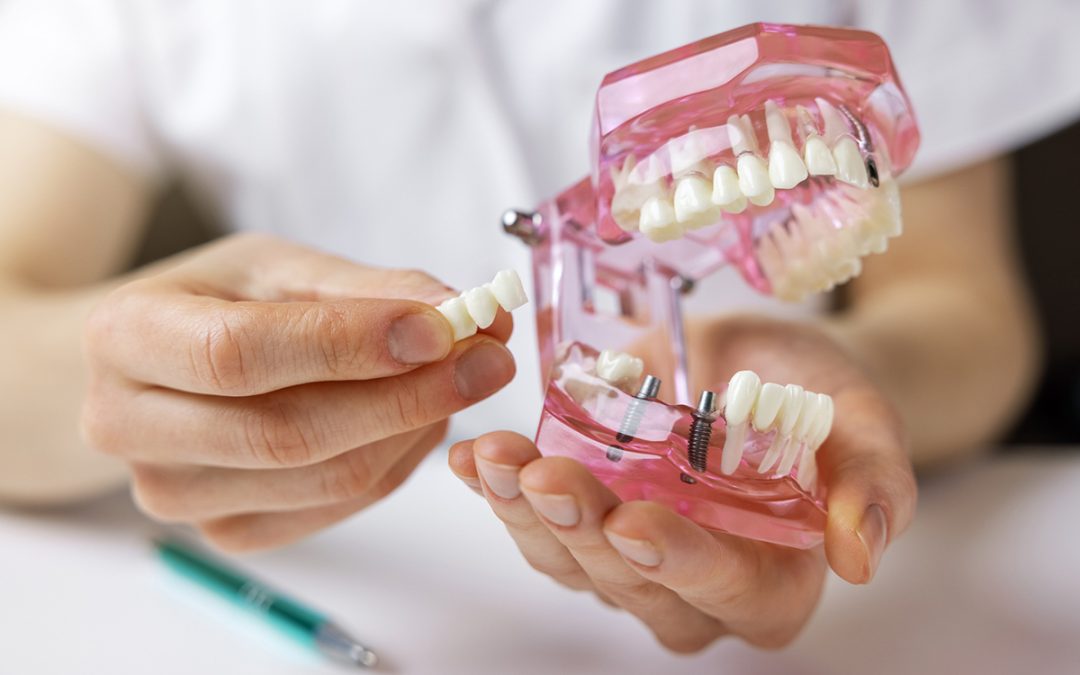
A traditional bridge typically includes two dental crowns placed over the adjacent teeth, with a prosthetic tooth between them. These crowns hold the replacement tooth securely in place and restore the appearance and function of your smile.
Patients who choose dental bridges often appreciate that the procedure is relatively quick and straightforward. In many cases, the entire process can be completed in just a few visits to the dentist. For people looking for an efficient way to restore their smile, dental bridges can provide a dependable and attractive solution.
What Makes Dental Implants Different?
Dental implants replace missing teeth in a completely different way. Instead of relying on surrounding teeth for support, implants are placed directly into the jawbone using a small titanium post that acts as an artificial tooth root.
After the implant is placed, the jawbone gradually fuses with the post through a natural process called osseointegration. Once healing is complete, a dental crown is attached to the implant, creating a replacement tooth that looks and functions like a natural tooth.
Because implants are anchored in the bone, they offer exceptional stability. They do not rely on neighboring teeth for support, which helps preserve the health of the surrounding teeth and jaw structure.
Although the process for implants can take several months due to healing time, many patients choose this option because of its durability and natural feel.
Dental Bridges vs. Implants: Which Lasts Longer?
When comparing long term durability, dental implants generally have the advantage. With proper care, implants can last 20 years or more, and in many cases they can last a lifetime.
However, dental bridges are also very reliable. Most dental bridges last between 10 and 15 years before they may need replacement or adjustment. With excellent oral hygiene and regular dental checkups, some bridges can last even longer.
Several factors influence how long each option lasts, including:
- Oral hygiene habits
• Gum health
• Bite alignment
• Diet and lifestyle factors
• Regular dental care
For patients who maintain strong oral hygiene routines and visit their dentist regularly, dental bridges can remain stable and functional for many years. The key is protecting the supporting teeth and ensuring the bridge remains clean and free of plaque buildup.
Implants tend to last longer largely because they integrate with the jawbone and do not place additional stress on neighboring teeth. Still, both solutions are considered durable and effective ways to restore missing teeth.
Factors That Affect the Longevity of Dental Bridges
Several factors can influence how long dental bridges last. Understanding these factors can help you maximize the lifespan of your restoration.
Oral hygiene plays one of the biggest roles. Because bridges rely on surrounding teeth for support, keeping those teeth healthy is essential. Brushing twice daily, flossing carefully around the bridge, and attending regular dental cleanings help prevent decay or gum disease that could weaken the supporting teeth.
The condition of the surrounding teeth also matters. Strong, healthy teeth provide better support for a bridge and reduce the risk of complications over time.
Bite forces can also affect longevity. Patients who grind or clench their teeth may put extra pressure on a bridge, which can shorten its lifespan. In these cases, dentists may recommend a custom night guard to protect the restoration.
Finally, regular dental visits allow your dentist to monitor the bridge and address any small concerns before they become larger problems.
Which Option Is Right for You?
Choosing between dental bridges and implants depends on several personal factors, including your oral health, jawbone condition, budget, and treatment timeline.
Dental bridges may be the best option for patients who:
- Want a faster tooth replacement solution
• Prefer a less invasive procedure
• Have surrounding teeth that already require crowns
• Are not candidates for implant surgery
Dental implants may be ideal for patients who:
- Want a long lasting tooth replacement option
• Have sufficient jawbone density
• Prefer a solution that does not rely on neighboring teeth
• Are comfortable with a longer treatment timeline
The best way to determine the right treatment is through a consultation with a dentist who can evaluate your oral health and discuss your goals for your smile.
Restoring Your Smile with the Right Tooth Replacement Option
Missing teeth can affect more than just your appearance. They can impact your bite, your ability to chew comfortably, and even the alignment of surrounding teeth over time. Fortunately, modern dentistry offers effective solutions to restore both function and confidence.
Whether you choose dental bridges or dental implants, both treatments are designed to provide durable, natural looking results. By working with an experienced dental team and maintaining proper oral hygiene, you can enjoy a healthy and confident smile for many years.
Frequently Asked Questions About Dental Bridges
Are dental bridges noticeable when you smile?
Modern dental bridges are designed to match the color, shape, and size of your natural teeth. When crafted properly, they blend seamlessly with your smile and are usually not noticeable to others.
Can dental bridges replace multiple missing teeth?
Yes, dental bridges can replace one or several missing teeth in a row. Your dentist will evaluate the strength of the surrounding teeth to determine if a bridge is the right solution for your situation.
At Oviedo Family and Cosmetic Dentistry, we help patients restore healthy, confident smiles with personalized dental care and modern treatment options. Our team works closely with each patient to recommend solutions that support long term oral health and comfort. If you are exploring tooth replacement options, we are here to help guide you through every step of the process. Contact us today to schedule a consultation.