
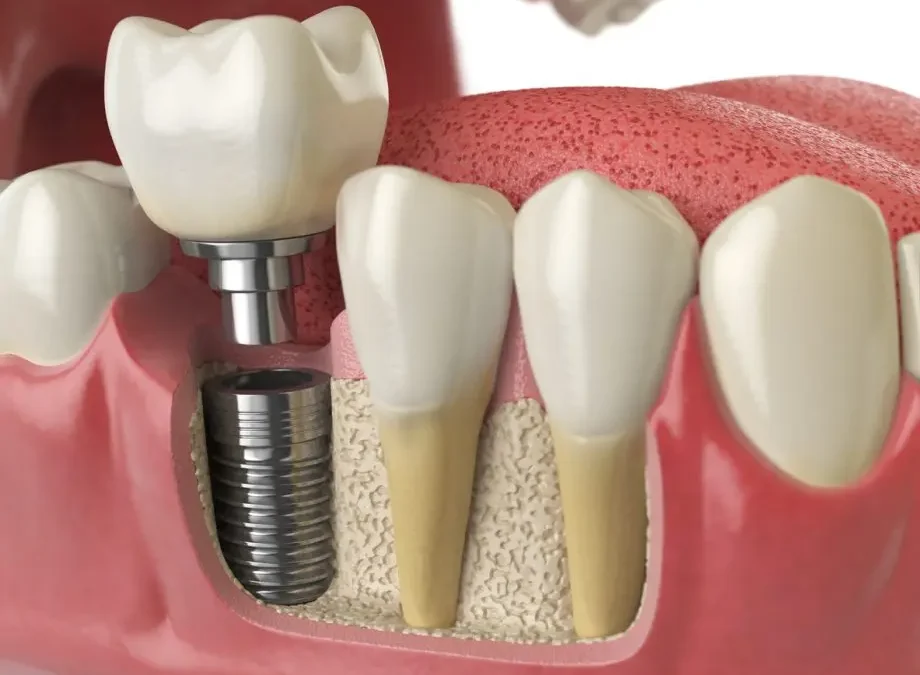
Ever wondered how dental implants are put in? This step-by-step guide provides a general overview of the process, from initial assessment to the final placement, ensuring you understand the journey to a restored smile.
How Dental Implants Are Put In
Understanding the basics of dental implants is essential for anyone curious about how dental implants are put in. Dental implants serve as a foundation for replacement teeth, mimicking the function and appearance of natural teeth. The process involves placing a titanium post into the jawbone, which acts as a root for the artificial tooth. This post integrates with the bone over time, providing a stable base for the new tooth. Understanding this foundational aspect helps demystify the procedure and highlights why dental implants are a popular choice for tooth replacement.
The journey of how dental implants are put in begins with a thorough evaluation by a dental professional to assess the health of your jawbone and gums. This step ensures that the implant can be securely anchored. Once the implant is placed, a period of healing allows the bone to grow around the implant, securing it in place. This integration is crucial for the long-term success of the implant.
Initial Consultation Insights
The process begins with a comprehensive evaluation by a dental professional to assess the condition of your oral health. This evaluation typically includes a thorough examination of your teeth and gums, as well as imaging tests like X-rays or 3D scans to determine the bone structure and identify any potential issues. This initial assessment helps in creating a personalized treatment plan tailored to your specific needs, ensuring that the procedure is as effective and seamless as possible.
The Implant Placement Process
Initially, a small titanium post is carefully inserted into the jawbone, serving as a sturdy foundation for the artificial tooth. This post is designed to fuse with the bone over time, creating a secure and permanent base. The procedure is typically performed under local anesthesia, ensuring comfort throughout the process. Once the implant is securely in place, a healing period follows, allowing the bone to integrate with the implant. This crucial step ensures the stability and longevity of the dental implant, paving the way for a natural-looking and functional replacement tooth.
Healing and Osseointegration Explained
After the implant is placed into the jawbone, the body begins a natural process where the bone gradually fuses with the implant, a phenomenon known as osseointegration. This essential biological process can take several months, during which the implant becomes securely anchored, providing a stable foundation for the artificial tooth. The healing period is crucial as it ensures the long-term success and functionality of the dental implant, allowing it to mimic the strength and durability of a natural tooth.
Abutment Attachment Overview
Once the implant has successfully osseointegrated, the next step involves attaching an abutment, which serves as a connector between the implant and the final dental restoration. This component is essential for ensuring that the crown or prosthetic tooth is securely held in place, providing both functionality and aesthetics. The abutment is typically placed after a healing period, allowing the surrounding tissue to adapt and stabilize, which is a vital part of the dental implant procedure. An impression is taken to ensure the correct contour, angulation, and connection of the abutment to the implant itself.
Crown Placement and Final Steps
Once the implant has successfully integrated with the jawbone, a custom-made crown is securely attached to the abutment (the connector piece between the implant and the crown). This step is crucial as it restores the appearance and function of a natural tooth. The final steps involve ensuring that the bite is comfortable and that the crown fits seamlessly with the surrounding teeth, completing the transformation and providing a durable solution for missing teeth.
Post-Procedure Care Essentials
Understanding how dental implants are put in is just the beginning of your journey to a restored smile. After the procedure, it’s crucial to focus on post-procedure care essentials to ensure a smooth recovery and long-term success of the implants. This phase involves allowing the surgical site to heal properly, which is vital for the stability and integration of the implant with the jawbone. Proper care during this period can significantly influence the overall outcome, helping to maintain oral health and the longevity of the dental implants.
Long-Term Implant Maintenance
Once the procedure is complete, maintaining the longevity and functionality of your dental implants becomes essential. Long-term implant maintenance involves regular oral hygiene practices and routine dental check-ups to ensure that the implants remain in optimal condition. An occlusal splint (commonly known as a nightguard) also serves to protect implants after they are restored. This ongoing care helps prevent potential complications and supports the overall health of your mouth, allowing you to enjoy the benefits of your dental implants for years to come.
Conclusion
Understanding how dental implants are put in can be the first step toward a confident smile. For more information, call 407-366-3799 or read our reviews on Google Maps.