
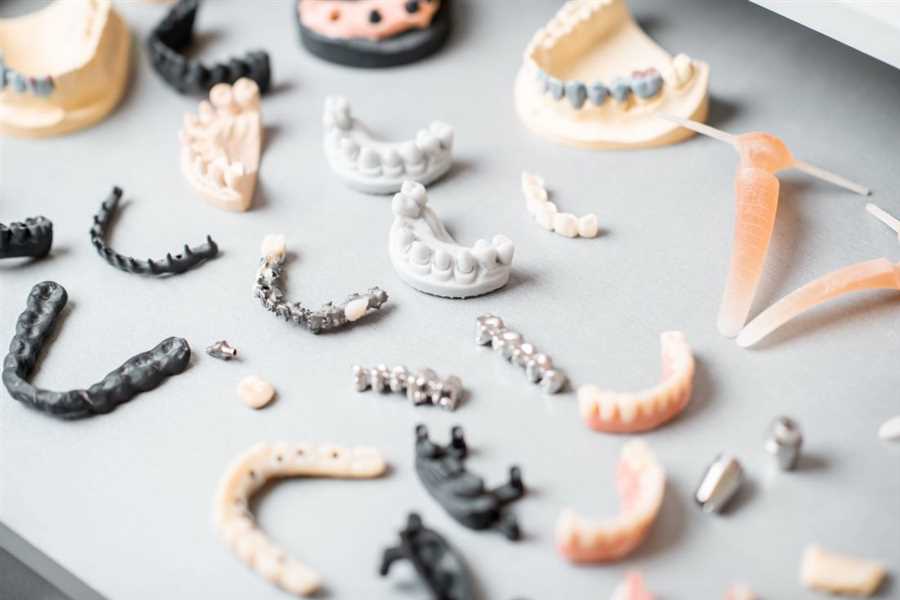
Have you ever wondered about the materials used for dental implants and how they contribute to their effectiveness? Dental implants are typically crafted from biocompatible materials like titanium and zirconia, which are chosen for their durability and ability to integrate seamlessly with the jawbone. Understanding these materials provides insight into why dental implants are a reliable solution for tooth replacement.
Materials Used for Dental Implants: Titanium in Dental Implants
Titanium is one of the most commonly used materials for dental implants due to its exceptional biocompatibility and strength. This metal has the unique ability to fuse with bone through a process called osseointegration, providing a stable and durable foundation for implants. Titanium’s lightweight nature and resistance to corrosion make it ideal for long-term dental applications. Additionally, its compatibility with the human body minimizes adverse reactions, ensuring a natural feel and function.
Zirconia as Implant Material
Zirconia is an alternative biocompatible material that is also used for dental implants. While a valid treatment alternative, zirconia implants are not as commonly used due to their higher rate of fracture than titanium dental implants.
Biocompatibility of Implant Materials
Biocompatibility is a critical factor in the success of dental implants. This quality ensures that the materials can integrate seamlessly with the human body without causing adverse reactions. The integration of implants with the jawbone promotes stability and longevity, enhancing the overall success rate of the procedure.
Strength and Durability Factors
Dental implants must withstand significant forces during chewing and biting. Strength and durability are therefore key considerations when selecting implant materials. These qualities ensure that implants maintain their structural integrity and provide long-term functionality and reliability.
Corrosion Resistance in Implants
Corrosion resistance is vital for maintaining the integrity and longevity of dental implants. The moist and acidic environment of the mouth poses a challenge, but carefully selected materials prevent degradation, ensuring the safety and effectiveness of implants over time.
Material Innovations in Dentistry
Recent advancements in implant materials focus on enhancing biocompatibility, durability, and aesthetic appeal. Innovations include new alloys, ceramics, and composites that integrate more seamlessly with natural oral structures. These developments reflect the dental industry’s commitment to improving patient outcomes.
Historical Materials in Dental Implants
The history of dental implants showcases humanity’s ingenuity, with early civilizations using materials like stones, shells, and animal bones for tooth replacement. In the 20th century, metals like gold and stainless steel revolutionized implant durability and biocompatibility, paving the way for modern innovations.
Conclusion
Understanding the materials used for dental implants is crucial for making informed decisions about your dental health. For more information, call 407-366-3799 or read our reviews on Google Maps.